Wondering whether Springfield, Missouri feels like a true city, a college town, or a gateway to the Ozarks? The honest answer is that it blends all three in a way that makes daily life practical, connected, and surprisingly active. If you are thinking about moving here, this guide will help you understand what living in Springfield is really like, from housing and commute times to parks, culture, and the overall pace of life. Let’s dive in.
Springfield has a regional feel
Springfield is Missouri’s third-largest city, with an estimated 170,596 residents in 2024. It covers more than 82 square miles, so it does not feel dense in the way a major metro can. Instead, it tends to feel like a mid-sized city with room to spread out.
It also serves as a hub for the wider region. Regional planners describe the Springfield metro as nearly 500,000 people, and the broader Ozarks partnership region tops 650,000 across 10 counties. That means you get many of the services, jobs, and amenities of a larger area while still living in a place with relatively manageable traffic and short drives.
One detail that helps explain the city’s rhythm is its daytime population. Springfield’s population rises by about 33% during work hours because of commuters coming in for jobs, services, school, and errands. If you spend a weekday here, you may notice it feels busier in the middle of the day than the resident population alone would suggest.
Daily life feels convenient
For many people, one of Springfield’s biggest strengths is how easy everyday life can feel. The average commute is 17.6 minutes, which is short compared with many larger cities. That can make a real difference in your weekly routine, whether you are heading to work, school, appointments, or activities.
Springfield also has the practical infrastructure people often want in a regional center. City Utilities serves the area with electricity, natural gas, water, broadband, and public transportation. The bus system includes fixed day and evening routes, paratransit, and bike racks on buses, which gives residents more than one way to get around.
If you are relocating from a larger city, Springfield may feel more accessible and less rushed. If you are moving from a smaller town, it may feel like a place where more services are close at hand without losing that approachable Ozarks character.
Housing offers variety
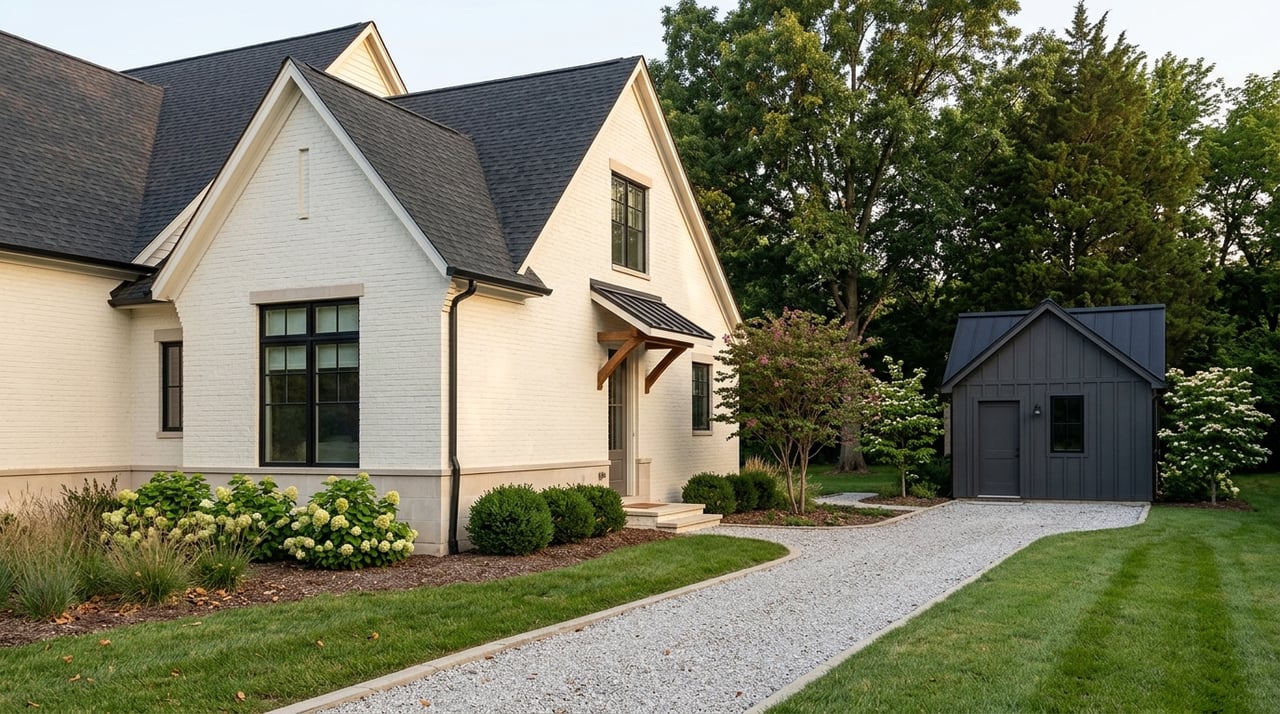
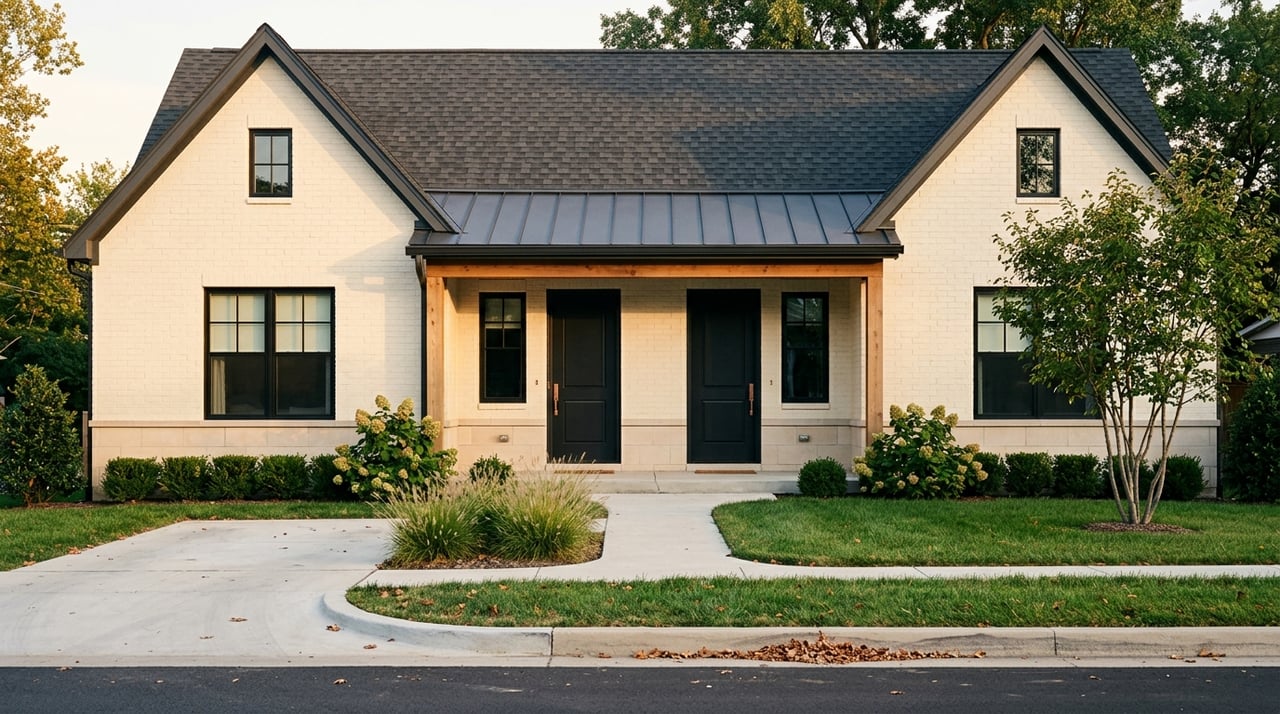
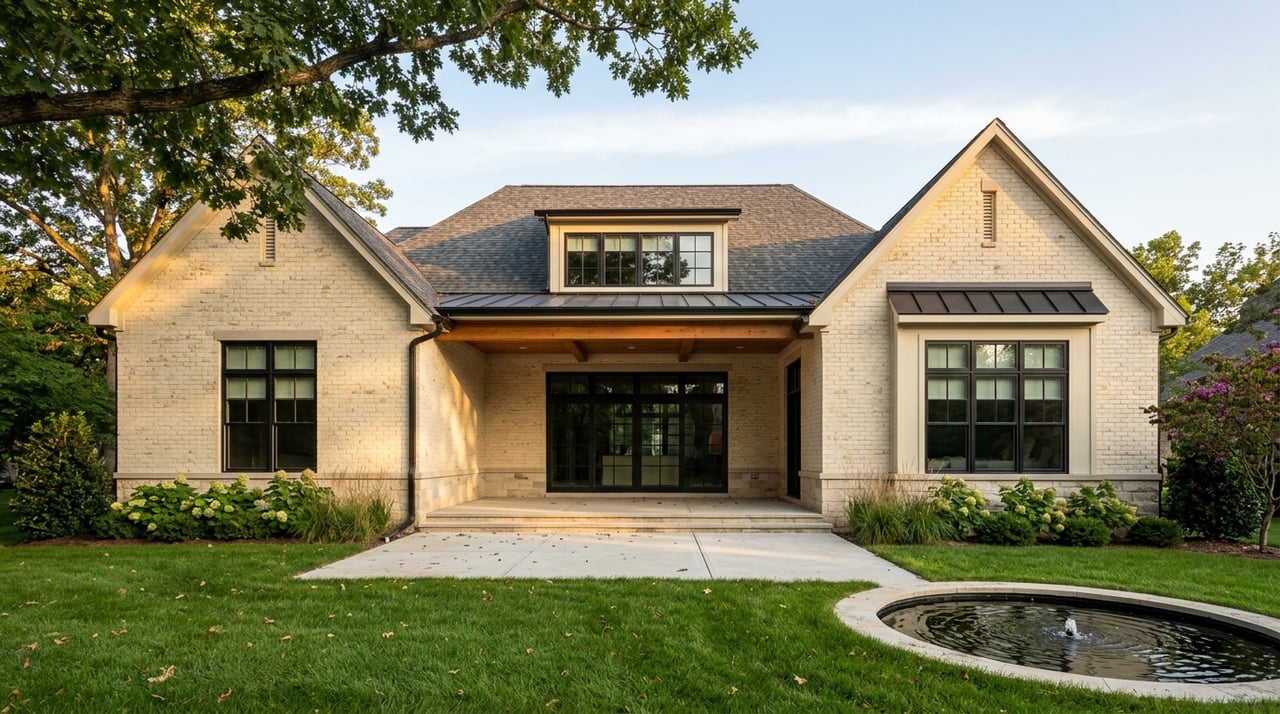
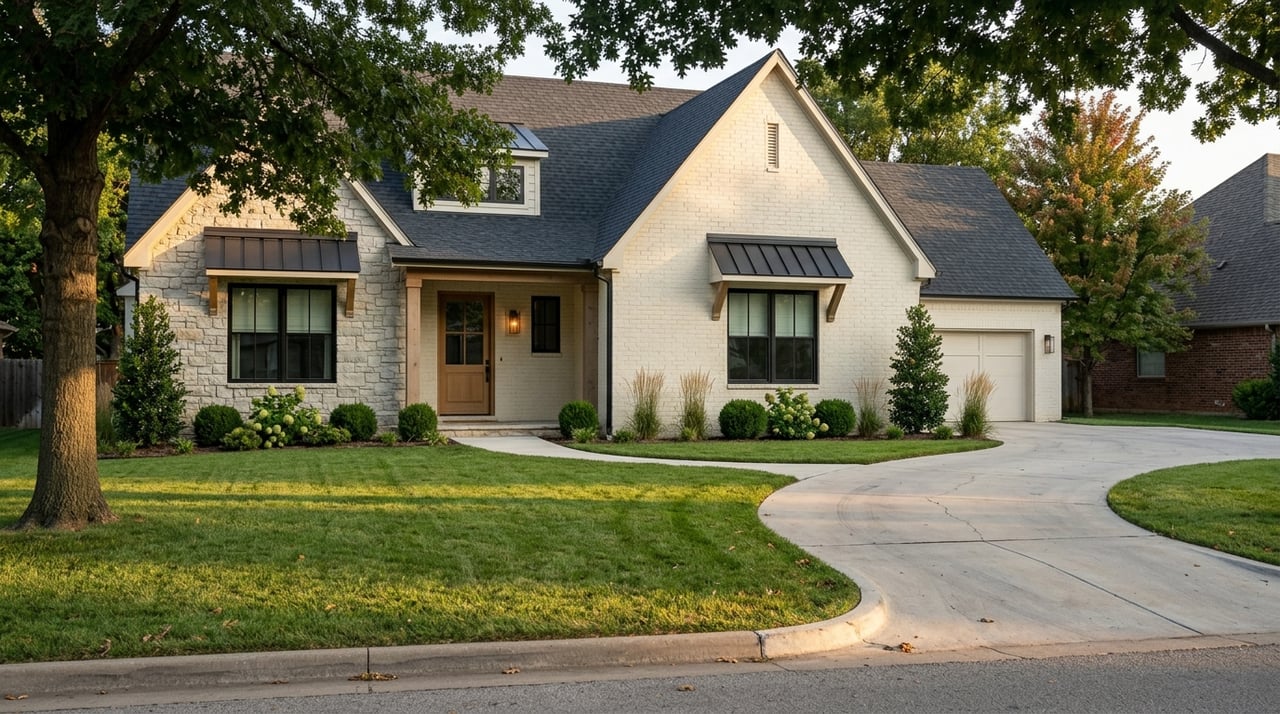
Springfield’s housing market is not one-note. Instead of one dominant style or price point, you will find a mix of older neighborhoods, central-city homes, established subdivisions, and newer growth areas. That variety is part of what makes the city appealing to different types of buyers.
Census estimates put the median owner-occupied home value at $177,700. Redfin’s May 2026 market snapshot shows a median sale price of $209,874 and an average of 18 days on market, pointing to a market that remains fairly active. Median gross rent is $964, while median monthly owner cost with a mortgage is $1,202.
The city also reflects a broader range of housing types than some nearby communities. Springfield’s planning documents emphasize reinvestment in historic neighborhoods, and local coverage has highlighted historic homes in Midtown. At the same time, newer housing options continue to shape growth in and around the region.
Neighborhood character changes by area
One of the best ways to think about Springfield is as a city of different housing patterns rather than one uniform layout. Some areas closer to the center of the city include older homes, mature trees, and established blocks. Other parts of Springfield lean more toward later-built neighborhoods and newer development.
That matters if you are trying to match your lifestyle to the right area. You may prefer the character of an older in-town home, or you may want a newer layout in a more recently developed part of the city. Springfield gives you both, which is helpful if you want options without leaving the local market.
The regional story also matters here. Nearby cities like Nixa, Ozark, Republic, and Branson are smaller than Springfield and each offer a different scale of living. Springfield remains the area’s largest center for jobs and amenities, while those surrounding communities can function more like suburban or destination alternatives.
Jobs are a major draw
Springfield’s economy is broad, but health care is a major force in the local job market. According to the Springfield Regional Economic Partnership, CoxHealth and Mercy Springfield Communities are the area’s two largest employers. Other major employers include the State of Missouri, Walmart and Sam’s Club, Springfield Public Schools, Bass Pro Shops and White River Marine Group, O’Reilly Auto Parts, Missouri State University, the City of Springfield, and City Utilities.
That mix helps make Springfield feel more stable than a place built around a single industry. The city’s Consolidated Plan identifies education and health care services as a major job cluster, followed by retail trade and arts. For residents, that often translates into a city with a strong service base and a consistent flow of work, school, and activity.
If you are moving for employment, this can be a meaningful advantage. Springfield functions as a place where many people come not only to live, but also to work, study, and access services from across southwest Missouri.
Education shapes the city’s rhythm
Education is another visible part of life in Springfield. Springfield Public Schools serves more than 24,500 students across 35 elementary schools, one intermediate school, nine middle schools, five high schools, Phelps Center for Gifted Education, and four early childhood centers. That scale gives the city a strong school-year rhythm, especially during mornings, afternoons, and activity seasons.
Higher education adds another layer. Missouri State University enrolled 25,238 students on its Springfield campus in fall 2025, and Ozarks Technical Community College reported 10,779 students across its locations and online in fall 2025. As a result, college events, campus traffic, and student life are part of the city’s everyday feel.
For you as a resident, that can mean more cultural events, more educational resources, and a broader mix of people and activities than you might expect from a mid-sized city. It also reinforces Springfield’s role as a regional center rather than just a local town.
Parks and trails are a standout
If outdoor access matters to you, Springfield has a lot to offer. The Springfield-Greene County Park Board oversees 105 park sites across a 3,200-acre system. That includes four golf courses, three family centers, a zoo, a farm park, botanical gardens, two indoor aquatics centers, six outdoor pools, and more than 100 miles of recreational trails.
More than 70 miles of those trails are Greenways, and Ozark Greenways describes the regional system as including 110 miles of trails and more than 80 miles of on-street bicycle routes. Springfield is also described as a Gold Level Bicycle-Friendly Community. In daily life, that means you have many ways to stay active close to home.
Several parks help define the local experience. Sequiota Park is a popular trailhead with cave history, Valley Water Mill Park offers trails and fishing access, and Phelps Grove Park is one of the city’s classic older parks. Dickerson Park Zoo and the Springfield Botanical Gardens also add to the range of things to do without needing to leave town.
Culture is stronger than many expect
People who have not spent much time in Springfield are sometimes surprised by how much it offers culturally. The Springfield Art Museum is described by the city as southwest Missouri’s largest fine art institution and a leading cultural attraction. Juanita K. Hammons Hall has brought Broadway programming to Springfield since 1992, which adds another major option for performances.
Springfield also has a strong connection to Route 66. The city is officially recognized as the birthplace of the highway, and the Birthplace of Route 66 Festival is one of its recurring local events. That history gives Springfield a distinct identity that shows up in community events and local pride.
The Springfield-Greene County Library District is another part of daily quality of life. Its branch network across Springfield and nearby communities supports reading, learning, and regular community use. For many residents, these kinds of cultural and civic amenities are part of what makes the city feel well-rounded.
The Ozarks are part of everyday life
Living in Springfield is not only about what is inside the city limits. It is also about how quickly you can access the wider Ozarks. CoxHealth describes the area as having four distinct seasons, abundant sunshine, mild temperatures, and winters commonly in the 25 to 45 degree range.
That climate supports outdoor recreation through much of the year. CoxHealth also notes that Springfield sits within a 100-mile radius of more than 7,500 miles of shoreline along accessible lakes, floatable streams, and rivers. That helps explain why lake trips, floating, boating, fishing, and hiking are so common in the local lifestyle.
For many residents, this is one of Springfield’s biggest advantages. You can enjoy city conveniences during the week and still have easy access to water, trails, and weekend recreation across the region.
Travel is easier than you might think
Springfield’s regional role also shows up in transportation. SGF offers nonstop flights to hubs including Charlotte, Chicago, Dallas, Denver, Atlanta, Houston, and Las Vegas, along with several seasonal leisure destinations. For a city this size, that adds useful flexibility.
If you travel for work, have out-of-state family, or simply want easier regional access, that airport service can be a real plus. It supports Springfield’s identity as a practical home base in southwest Missouri.
Cost of living stays attractive
Affordability is often part of the conversation when people compare Springfield to larger markets. Redfin estimates the city’s overall cost of living at 8% below the national average. Combined with shorter commute times and a broad range of housing options, that can make Springfield feel like a place where your budget may stretch further than it would in many larger cities.
Of course, your experience will depend on the type of property and area you choose. Still, the overall picture points to a city where you can access jobs, parks, education, health care, and culture without the higher costs often associated with larger metro areas.
So, what is it really like?
Living in Springfield, Missouri often feels like having the benefits of a regional hub without the intensity of a major urban center. You get a strong job base, short commutes, a large park system, higher education, cultural attractions, and quick access to the lakes, trails, and rivers that define the Ozarks. It is a city with variety, both in housing and in lifestyle.
If you are trying to decide whether Springfield fits your next move, it helps to see it in person and compare areas based on your goals. Whether you are looking for a historic in-town feel, a newer neighborhood, an investment opportunity, or a home base close to work and recreation, Springfield offers a wide range of possibilities. When you are ready to explore your options, Amy K Molea Koppitz can help you make sense of the Springfield market with calm, local guidance.
FAQs
What is the population of Springfield, Missouri?
- Springfield had an estimated population of 170,596 in 2024, making it Missouri’s third-largest city.
What is the housing market like in Springfield, Missouri?
- Springfield has a mixed housing market with older neighborhoods, historic homes, established areas, and newer growth sections. Redfin reported a median sale price of $209,874 in May 2026 and an average of 18 days on market.
What is the average commute in Springfield, Missouri?
- The average commute in Springfield is 17.6 minutes, which is one reason many residents find daily life convenient.
What are some popular outdoor features in Springfield, Missouri?
- Springfield has 105 park sites, more than 100 miles of recreational trails, Greenways, golf courses, aquatics centers, a zoo, botanical gardens, and easy access to the broader Ozarks region.
Is Springfield, Missouri a good place for regional access?
- Springfield functions as a regional hub for jobs, education, health care, services, and travel, and SGF offers nonstop flights to several major hubs and leisure destinations.